
The 4 steps
1. Discuss your treatment needs
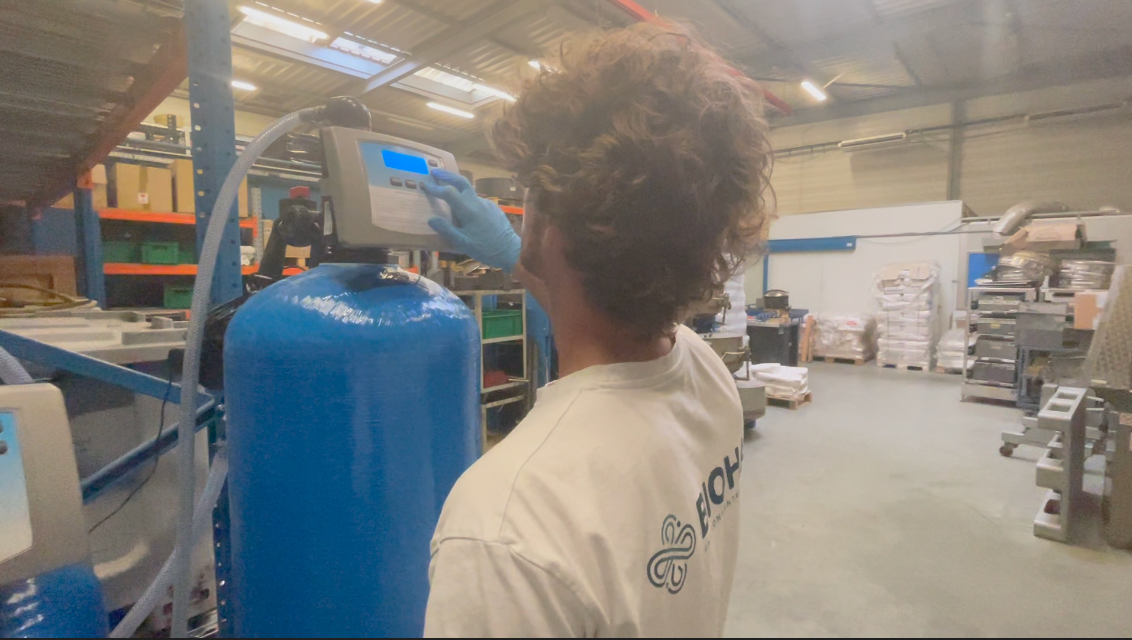
Looking for a mineral-based solution to treat your industrial wastewater? Schedule an online meeting to tell us about your needs and discuss your treatment objectives.
2. Feasibility Study Using a 5 L Water Sample
Based on your water sample, an initial laboratory test is performed using a bench-scale treatment system. This non-binding study provides an initial assessment of treatment performance on your specific wastewater. BIOHAP can also provide product samples if you would prefer to conduct your own in-house testing.

3. Optional On-Site Pilot Trial
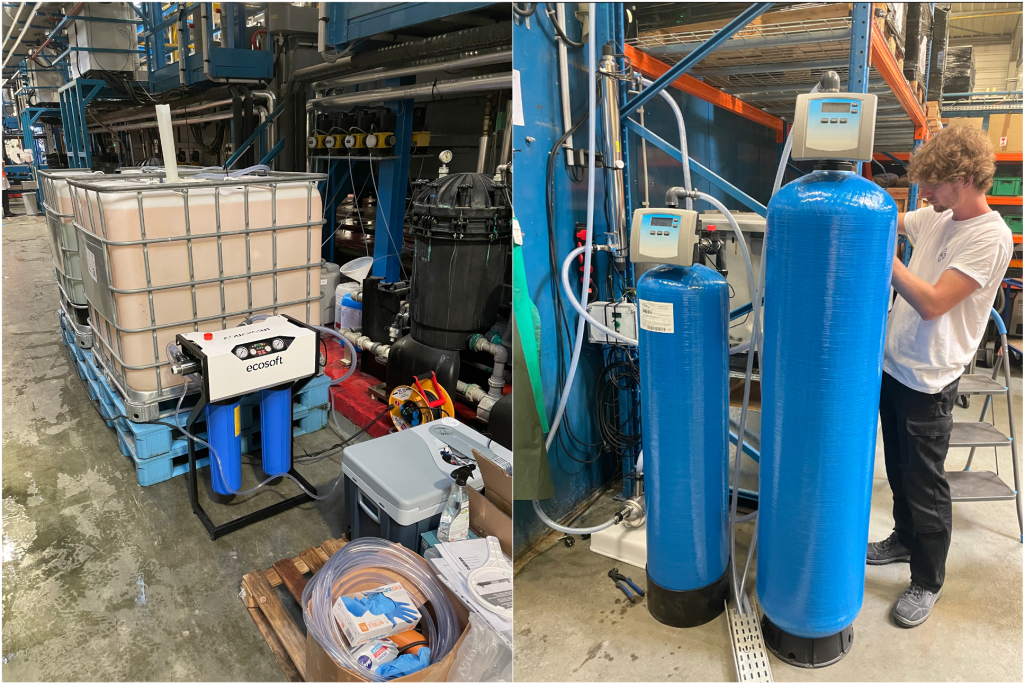
Upon request, BIOHAP can design and install a fully autonomous pilot unit at your site. Pilot units can accommodate different configurations, with flow rates ranging from approximately 10 to 200 L/h.
Samples collected at the inlet and outlet of the filter are used to monitor treatment performance over time.
4. Ensure Compliant Site Discharges
BIOHAP manufactures and packages its products in one-tonne big bags fitted with discharge spouts and delivers them throughout France and Europe.
A strong network of partners provides support throughout the project, including engineering firms, system integrators, complementary chemical suppliers and filter manufacturers.
Clients
Industry References
Many industrial sectors are affected by trace metal pollution at concentrations below 1 mg/L. BIOHAP helps industrial operators improve their wastewater treatment so that water can be safely reused or discharged into the environment.
According to the French national RSDE II study (INERIS, Action nationale de recherche et de réduction des rejets de substances dangereuses dans l’eau par les installations classées) conducted by INERIS, 954 of the 1 678 exceedances of aqueous discharge limits involving micropollutants concerned metals, also known as trace metallic elements.
Conducted in 2016 across 3 722 industrial sites representing 42 business sectors, the study covered 102 pollutants, including eight major metals: mercury (Hg), cadmium (Cd), lead (Pb), nickel (Ni), zinc (Zn), copper (Cu), chromium (Cr) and arsenic (As).
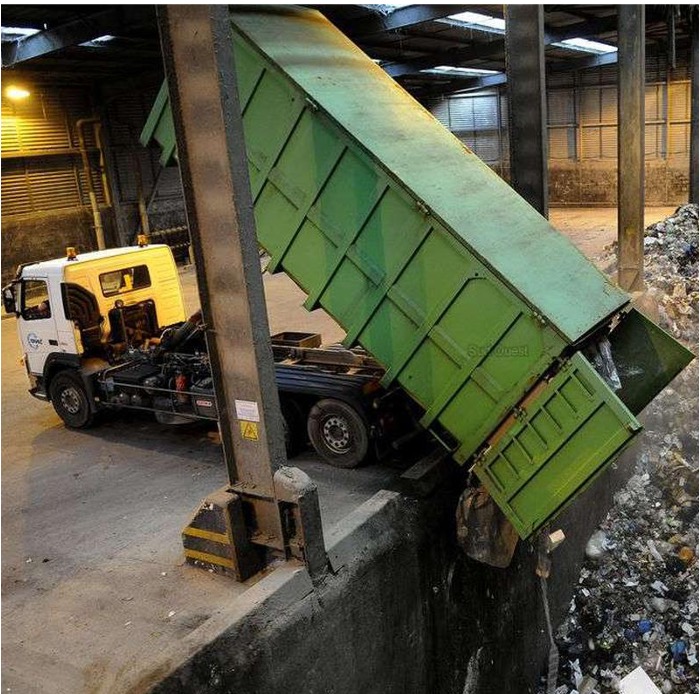
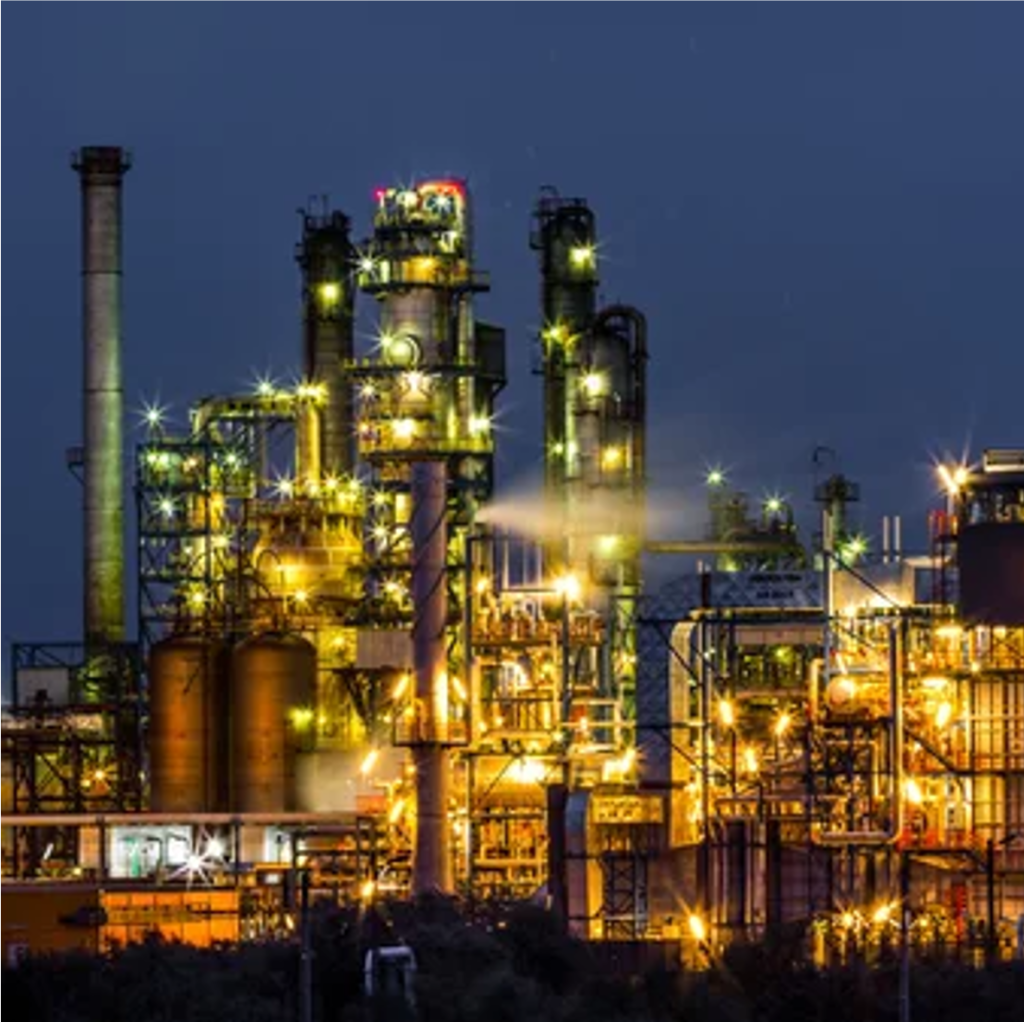
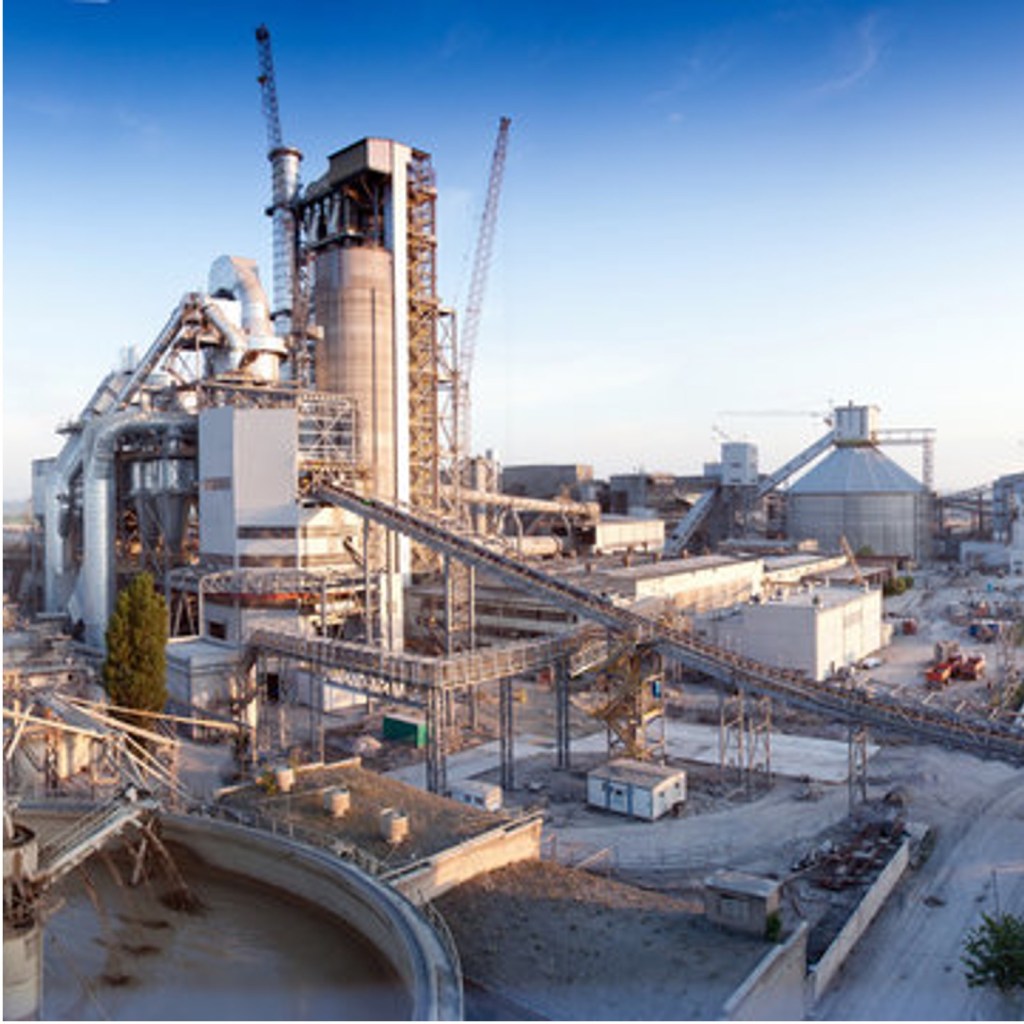
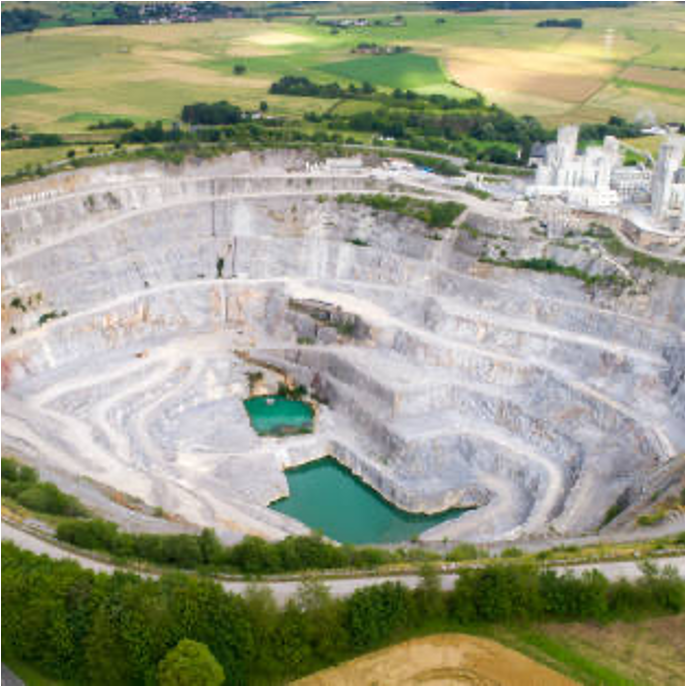
Main industrial sectors concerned:




contact@biohap.fr